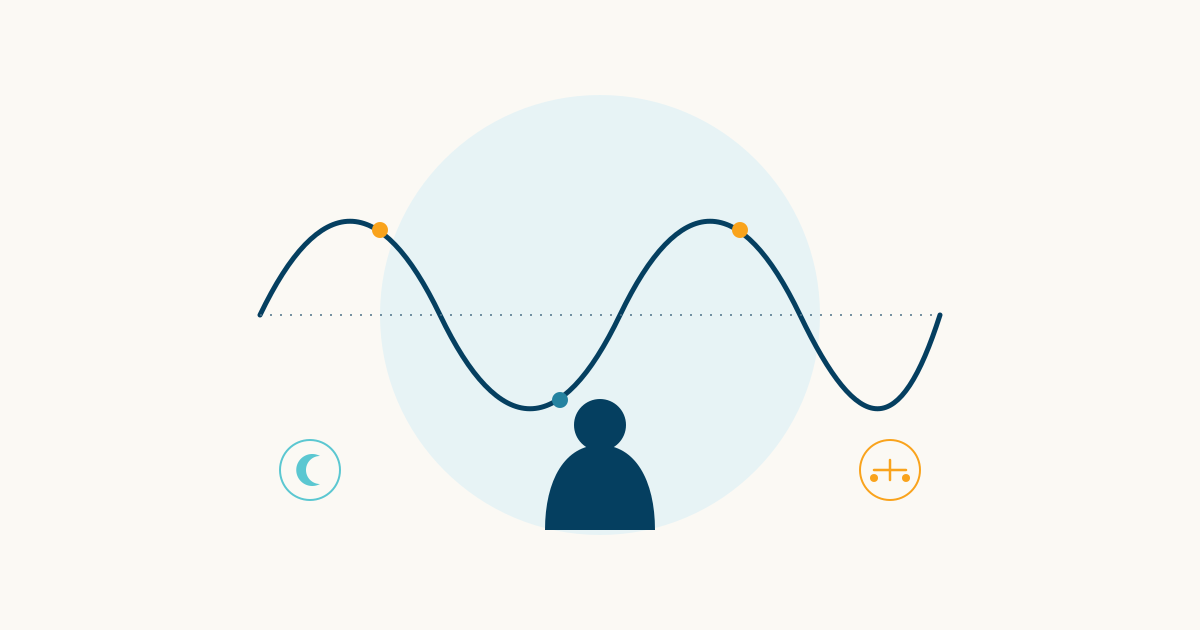
Bipolar disorder is a mood disorder, with biological underpinnings
Bipolar disorder is a mood disorder. As the name suggests, it has two poles: mania and depressive episodes. The depressive episodes of bipolar disorder are similar to any other depressive illness. Manic episodes are quite intense and disturbing. Many women get diagnosed for the first time with bipolar disorder during pregnancy and postpartum.
Mood disorders are illnesses that affect a person's ability to experience normal mood states. The mood disturbances come in episodes and may cause significant social and occupational dysfunction. They occur due to several factors, mainly biological disturbances involving brain chemicals and receptor sensitivities. Emotional stressors and substance abuse can trigger these changes, though sometimes there is no visible trigger at all.
Depressive episodes in bipolar disorder cannot be told apart from any other depressive disorder of similar severity
Bipolar depressive episodes can include:
- Depressed mood most of the day, nearly every day, for two weeks or longer
- Loss of interest or pleasure in activities you usually enjoy
- Recurrent thoughts of harm to your unborn or newborn baby
- Recurrent thoughts of death or suicide
- Fatigue or lack of energy
- Anxiety or feeling slowed down
- Feelings of guilt or worthlessness
- Difficulty concentrating
- Trouble sleeping, or sleeping too much
- Changes in appetite
Bipolar depressive episodes may also present with psychotic symptoms, such as delusions and hallucinations.
Manic episodes can be disruptive
- Elated or irritable mood
- Rapid speech
- Little need for sleep
- Racing thoughts, trouble concentrating
- Continuous high energy
- Overconfidence
- Delusions (often grandiose, but sometimes paranoid)
- Impulsiveness, poor judgment, distractibility
- Grandiose thoughts, an inflated sense of self-importance
- In the most severe cases, delusions and hallucinations
Risk for the next episode lies in your past and genetic history
Previous episodes of bipolar disorder in a woman may increase the risk of future episodes, especially during pregnancy and postpartum. A family history of mood disorders or substance abuse may also increase the risk of bipolar disorder during these vulnerable periods. Non-compliance with medications is an important risk factor.
Sleep deprivation can be a risk factor
One other factor that may contribute to this heightened risk of relapse is that many women with bipolar disorder are very sensitive to sleep deprivation. We recommend that all women, especially those with bipolar disorder, try to protect their sleep by relying on their partner or other people for nighttime feedings, with the goal of getting at least one longer stretch of uninterrupted sleep each night, ideally six to eight hours.
Managing bipolar disorder in pregnancy and postpartum can be challenging, for you and your doctor
Management of bipolar disorder is already demanding on its own, and it gets more challenging to manage in a pregnant woman and while breastfeeding. Available research is limited, so treatment with multiple medications and modalities often becomes inevitable.
Antipsychotics and mood stabilizers are the mainstay of treatment
Antipsychotics and mood stabilizers are used during manic episodes, while antidepressants may be used under the cover of an antipsychotic and/or mood stabilizer to manage a depressive episode. The available research on the safety of mood stabilizers and antipsychotics during pregnancy remains minimal.
Deep Transcranial Magnetic Stimulation
Deep Transcranial Magnetic Stimulation (Deep TMS) is a non-invasive neuromodulation treatment that uses magnetic pulses to stimulate specific areas of the brain involved in mood regulation. It does not involve surgery, anesthesia, or medication exposure, and is generally well tolerated. TMS is an established treatment option for major depressive disorder, particularly when adequate improvement has not been achieved with medication and/or psychotherapy.
Potential advantages include:
- Non-invasive treatment
- No systemic medication exposure
- No need for anesthesia
- Usually allows patients to continue their normal daily activities
- Can be used as an alternative or adjunct to medication and psychotherapy, depending on individual clinical needs
The most commonly reported side effects are temporary headache and scalp discomfort, while serious complications are uncommon when appropriate safety screening and treatment protocols are followed.
Deep TMS in bipolar depression
Depressive episodes are an important part of bipolar disorder and can cause substantial impairment in functioning and quality of life.
TMS has been studied as a non-invasive neuromodulation option for bipolar depression, particularly when depressive symptoms persist despite appropriate treatment. Deep TMS should be considered as part of a comprehensive bipolar treatment plan, rather than as a replacement for appropriate mood-stabilizing treatment.
Deep TMS during pregnancy: when mental health treatment and pregnancy need to be considered together
Depression during pregnancy can significantly affect the well-being of the mother, and may also influence the pregnancy, postpartum adjustment, and the mother-infant relationship. For some women, concerns about medication exposure during pregnancy can make treatment decisions particularly difficult.
TMS offers a non-invasive treatment approach. Available research on rTMS during pregnancy, although still limited, has generally been reassuring regarding maternal and fetal safety, and studies have reported improvement in depressive symptoms. However, the evidence remains based largely on small studies, and more high-quality research is needed.
Therefore, TMS during pregnancy should be considered case by case, following careful psychiatric assessment and discussion of the potential benefits, risks, and alternatives. When treatment is considered during pregnancy, collaboration with the patient's obstetrician is an important part of care.
An individualized approach
Our clinic evaluates each patient carefully before considering Deep TMS, taking into account:
- Diagnosis
- Severity of illness
- Previous treatment response
- Current medications
- Pregnancy or postpartum status
- Risk of self-harm
- Medical and neurological history
- Individual treatment preferences
Our aim is to identify the safest and most appropriate treatment pathway for each woman, while coordinating mental health care with her obstetric and gynecological team whenever required.
Deep TMS: an additional tool in your treatment journey
Deep TMS is not a "one-size-fits-all" treatment. For appropriately selected patients, it can be an important addition to the range of evidence-based options available for depression, and for selected cases of bipolar depression.
If you are pregnant, planning a pregnancy, or have bipolar disorder, treatment decisions should always be made in consultation with your treating psychiatrist and, where appropriate, your obstetrician or gynecologist.
Untreated bipolar disorder is not without risks
At the same time, untreated bipolar disorder has serious potential risks for mother and fetus, since it may lead to poor nutrition, smoking, drinking, suicidal behavior, prolonged or premature labor, and low birth weight.
Use of antipsychotics in pregnancy is relatively safe, though risks and benefits need to be discussed
Reports of major congenital malformations in the fetus with the use of antipsychotics during pregnancy have given mixed results. The relative risk of a fetus born with a congenital malformation might be slightly higher for those who use antipsychotics during pregnancy, but the absolute risk is minimized once you compare it against the risk to women with bipolar disorder who go untreated. In deciding whether to use antipsychotic medication while pregnant or trying to conceive, a woman and her doctor need to balance the possible risks of the medication against the severity of the disorder.
Mood stabilizers are the choice when no other option is available, especially if you've responded well to them in the past
The use of mood stabilizers such as lithium and sodium valproate in the management of bipolar disorder during pregnancy comes with many obstacles. The risk of congenital malformations is positively associated with the use of sodium valproate and lithium, but their use should not be restricted where there's a clear benefit to the woman with bipolar disorder.
Details such as previous response to these medications, and response to other relatively safer medications, need to be studied in detail, with close observation of fetal development using advanced ultrasonography and a collaborative care model involving other specialists, which is essential for a successful outcome.
Electroconvulsive therapy can also be considered for the management of bipolar disorder during pregnancy and postpartum, as an effective alternative and adjunct to existing medications.
If you're breastfeeding, your baby needs to be observed closely
Given the many benefits of breastfeeding, some women may wish to continue breastfeeding their infants while receiving psychiatric medications. Some amount of the drug is invariably excreted in breast milk, exposing the infant.
With the available information on antipsychotics and mood stabilizers during breastfeeding, serious adverse events related to these medications have not been reported. However, there have been reports of milder adverse events such as jitteriness, irritability, excessive sedation, lethargy, slowed motor movements, excessive crying, and sleep disturbances in infants exposed to antipsychotics and mood stabilizers.
Bipolar disorder in pregnancy and postpartum is manageable with the right care team and a plan built around your history. If you're navigating depression in pregnancy more generally, see Depression During Pregnancy and After Birth: What You Should Know.

Dr. Swetha Reddy. S
MBBS · DNB (Psychiatry) · Consulting Psychiatrist, Co-founder & Director at Synapse Mind Clinics. Read full bio →